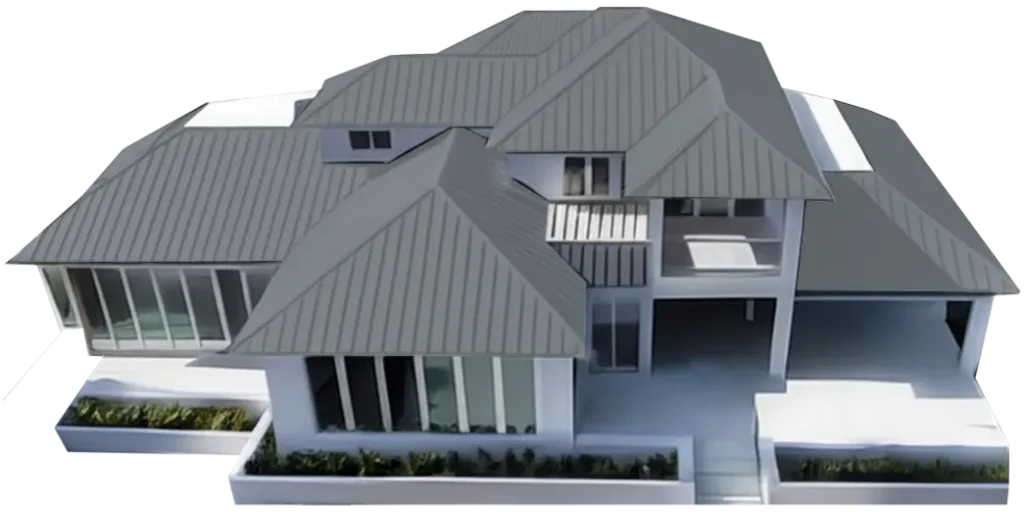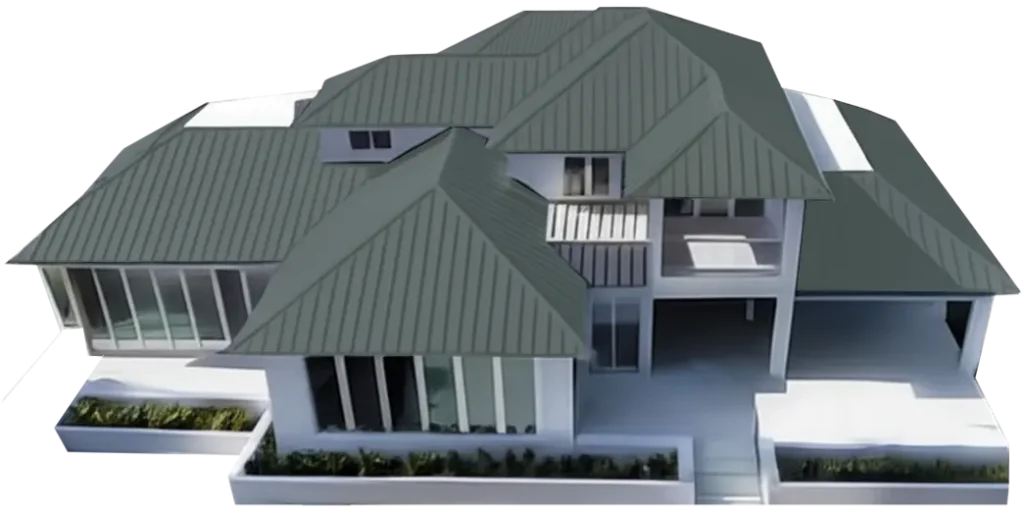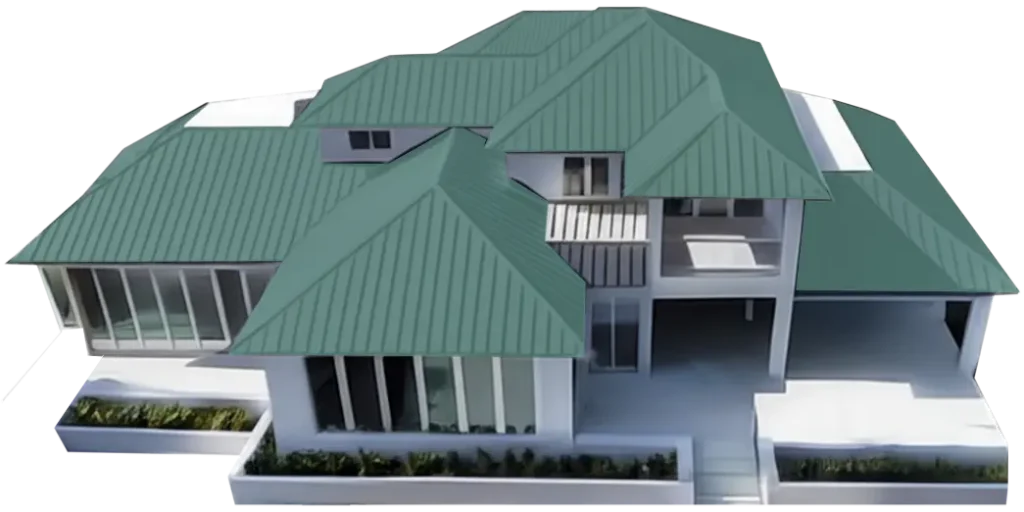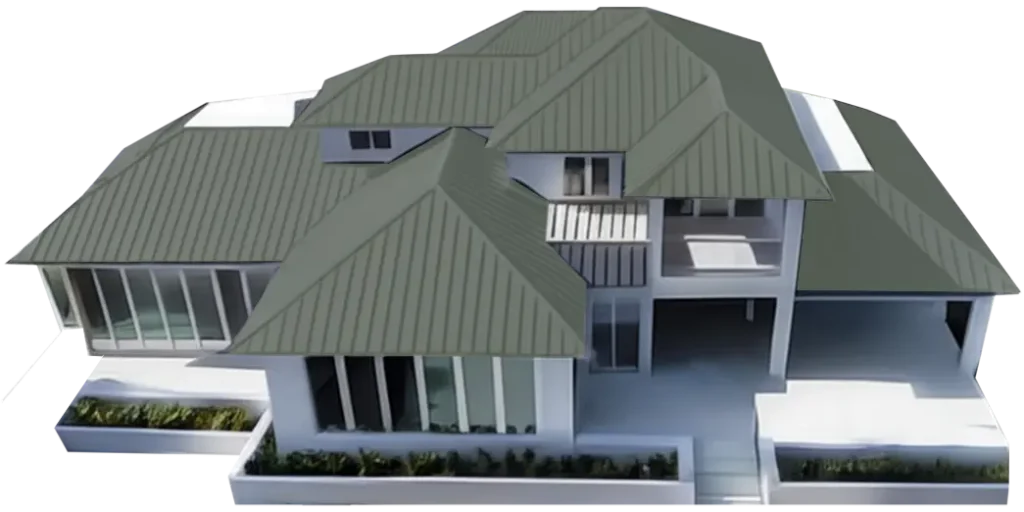
Replacing your home’s roof is a significant undertaking. When considering a metal roof replacement, understanding the process is key to ensuring a successful project. This guide details what a typical metal roof installation involves, from the first steps of planning and preparation through to the final touches.
Key points
- A metal roof replacement involves careful planning, preparation, and meticulous installation by skilled professionals.
- Inspection and repair of the roof deck are crucial steps for ensuring structural integrity.
- Proper installation of underlayment and flashing provides essential moisture protection.
- The final stages include installing metal panels, trim, and a thorough cleanup.
- Choosing a reputable metal roofing contractor is vital for a durable and effective metal roof upgrade.
Initial Assessment and Planning
Before any work begins on your metal roof replacement, a thorough assessment is crucial. A qualified metal roofing contractor will inspect your current roof structure to determine its condition and identify any underlying issues, such as rot or damage to the decking. This inspection informs the planning phase, allowing the contractor to outline the scope of work, select the appropriate materials, and provide a detailed estimate. This stage also involves discussing different types of metal roofing, including standing seam, corrugated, or shingle-style panels, and their respective benefits for residential metal roofing. Choosing the right material is vital for durability and aesthetic appeal.
Preparation and Removal of Old Roofing
Once the plan is set, the preparation for your metal roof upgrade begins. This typically involves protecting the surrounding property from debris. The existing roofing material, whether it’s asphalt shingles or another type, is carefully removed. This step is essential because a new metal roof needs to be installed directly onto a sound, clean roof deck. Sometimes, if the existing roof is in very poor condition or has multiple layers, a complete tear-off down to the structural sheathing is necessary. This ensures a solid foundation for the new, long-lasting metal roofing system.
Decking Inspection and Repair
After the old roofing is removed, the roof deck is exposed for a detailed inspection. This is a critical phase of the metal roof replacement. Any compromised or damaged sections of the plywood or OSB sheathing are identified and repaired or replaced. A strong, stable deck is fundamental to the integrity of the entire roof system and is particularly important for the secure attachment of metal panels. A competent metal roof installer will not proceed with new material until the deck is in optimal condition.
Underlayment and Flashing Installation
With the deck prepared, the next step involves installing a protective underlayment. This layer acts as a secondary barrier against moisture, providing an extra line of defense. For metal roofing, specialized underlayments are often used, designed to work in conjunction with metal panels. Following this, flashing is meticulously installed around vulnerable areas such as chimneys, vents, skylights, and valleys. Proper flashing is paramount for preventing water intrusion and is a hallmark of quality craftsmanship from experienced metal roof installers. This attention to detail contributes to the fire resistant roofing and hurricane resistant roofing capabilities of the final installation.
Metal Panel Installation
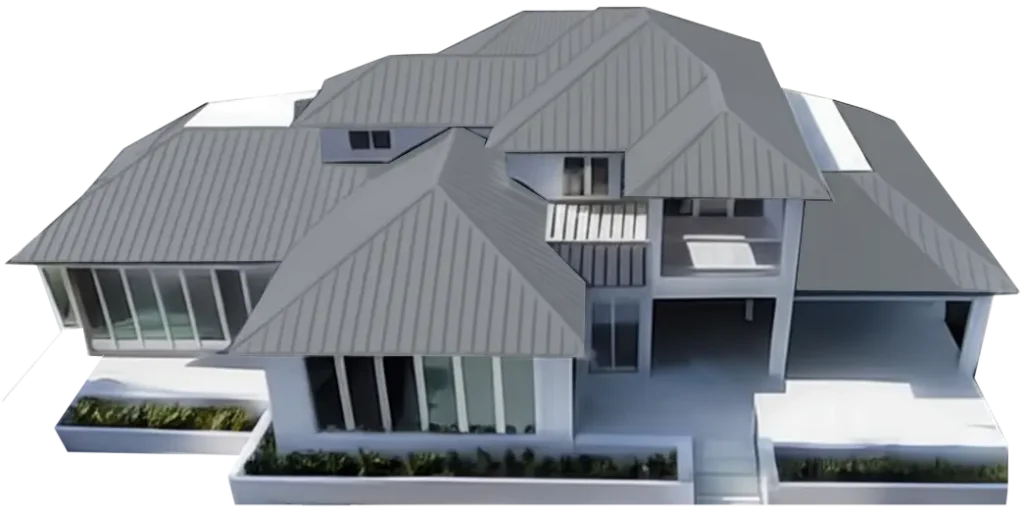
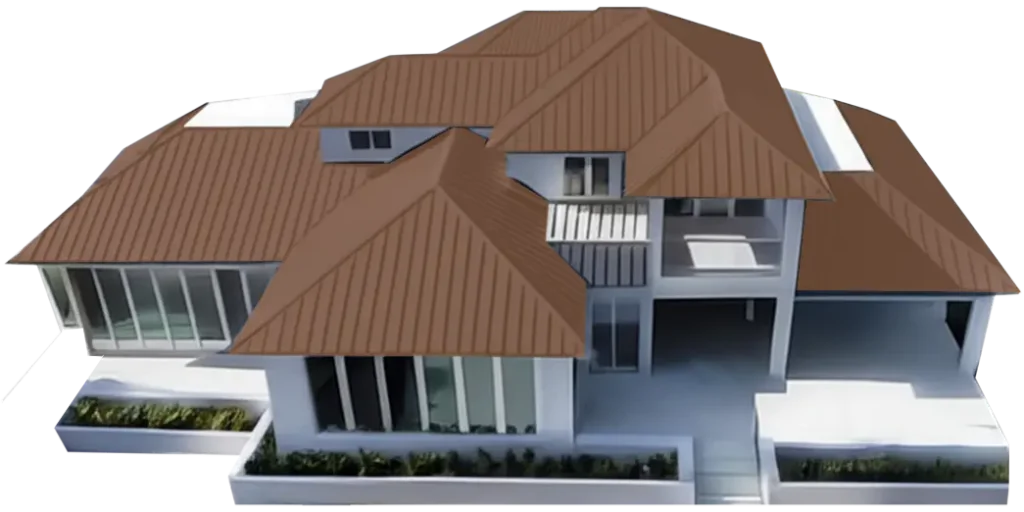
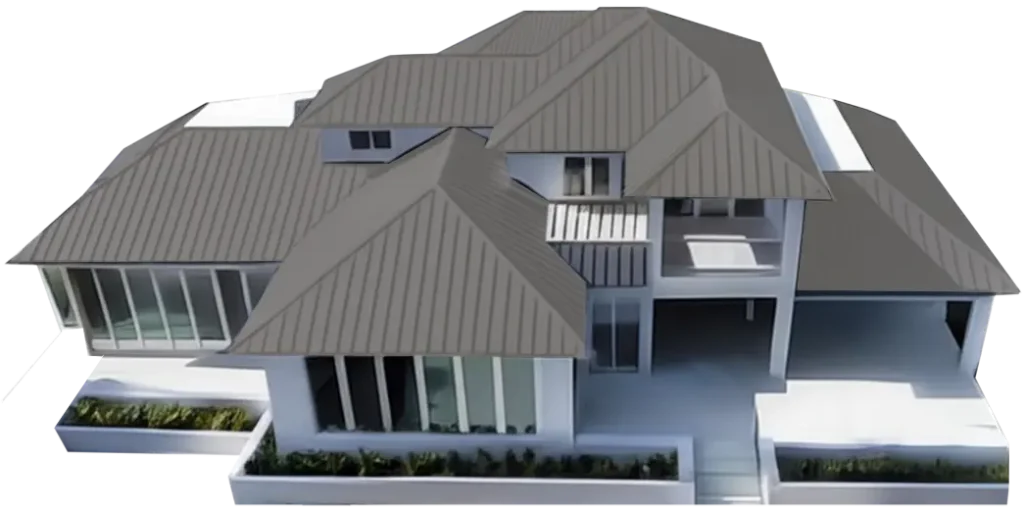
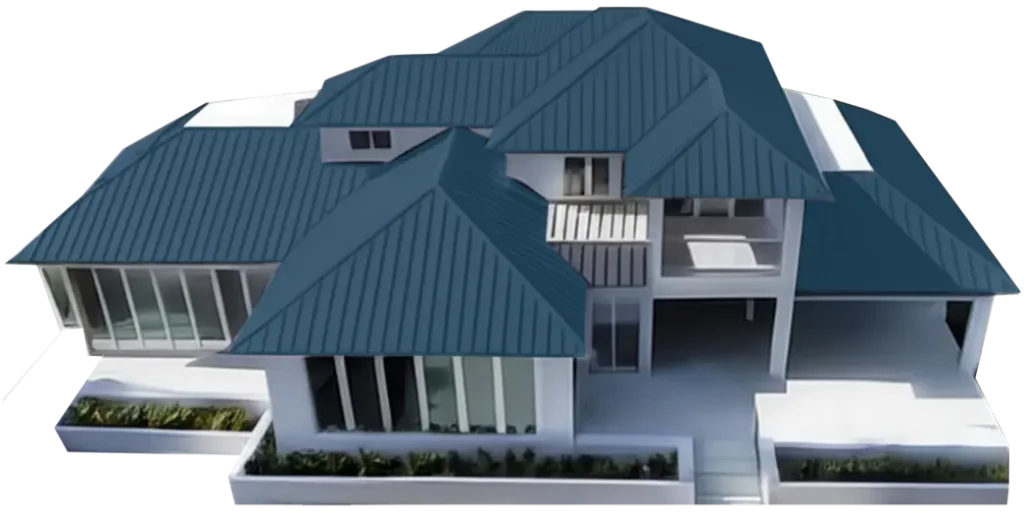
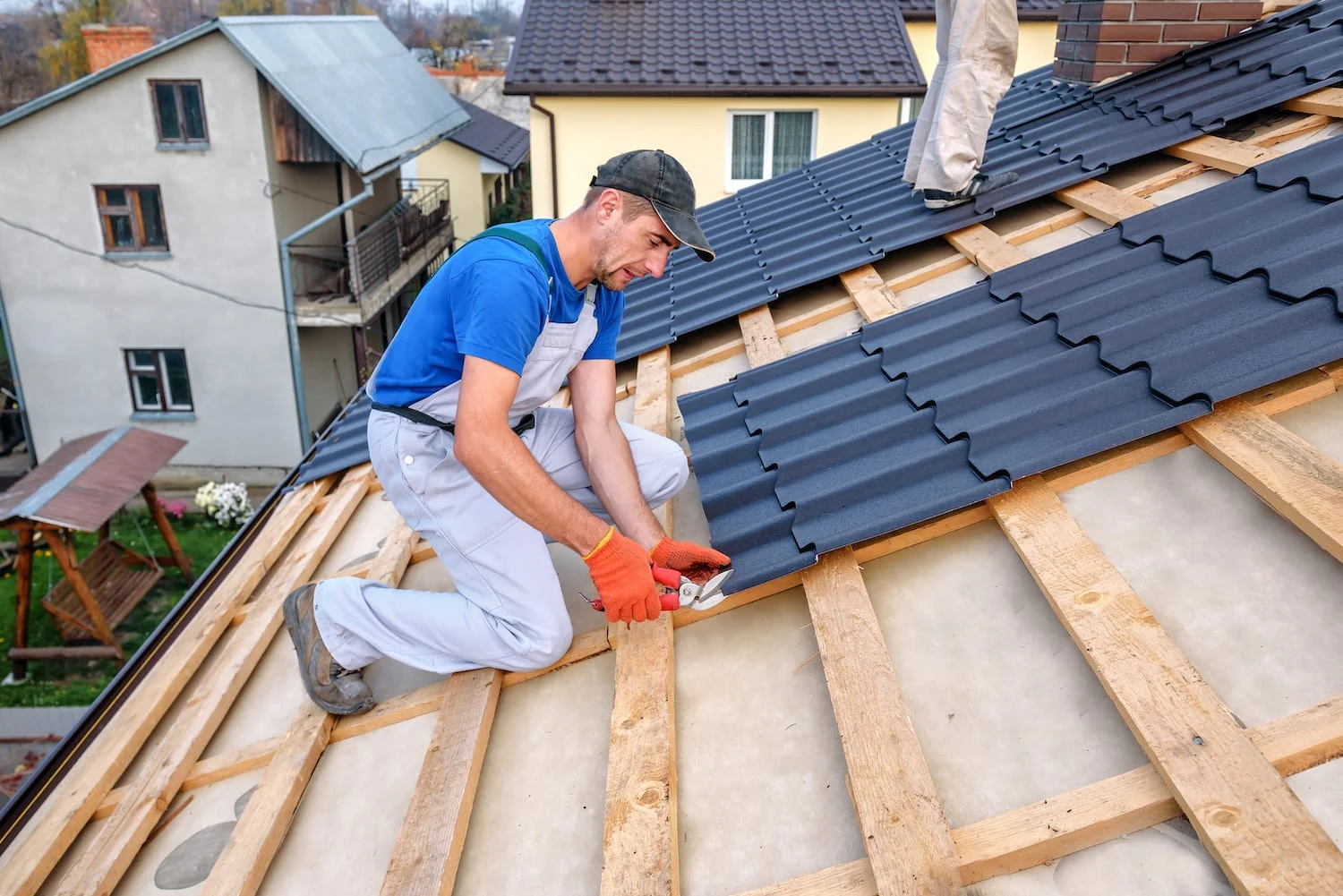
This is the most visible part of the metal roof replacement. Metal panels, whether standing seam, corrugated, or other profiles, are carefully measured, cut, and fastened to the roof deck according to manufacturer specifications and local building codes. The method of attachment varies depending on the panel type, but secure fastening is key to ensuring the roof can withstand wind uplift and extreme weather. Experienced metal roofing contractors ensure that panels are aligned precisely and that seams are properly overlapped or sealed to create a watertight and durable surface. This stage represents a significant metal roof upgrade to your home’s protection.
Ridge Caps, Trim, and Finishing Touches
The final stage of the metal roof replacement involves installing finishing elements. This includes ridge caps, which cover the peak of the roof, and various trims that provide a clean, finished look along eaves, rakes, and valleys. These components not only enhance the aesthetic appeal of the residential metal roofing but also play a crucial role in sealing the roof system against the elements. A professional metal roofing contractor will ensure these elements are installed seamlessly, completing the robust protection offered by the new metal roof.
Final Inspection and Cleanup
Before the project is considered complete, a final inspection is conducted by the metal roof contractor. This ensures that all work meets quality standards and building code requirements. Following the inspection, the work area is thoroughly cleaned. All debris, including old roofing materials and installation scraps, is removed from the property, leaving the site as it was found, or cleaner. This meticulous cleanup is a sign of a professional metal roof installer committed to customer satisfaction.
Common questions
What are the main stages of a metal roof replacement?
A metal roof replacement typically involves an initial assessment and planning phase, followed by the removal of the old roofing material. Then, the roof deck is inspected and repaired if necessary, before underlayment and flashing are installed. The metal panels are then put in place, followed by finishing touches like ridge caps and trim, and finally, a cleanup and final inspection.
How long does a metal roof replacement project typically take?
The duration of a metal roof replacement project can vary significantly based on the size and complexity of the roof, weather conditions, and the specific type of metal roofing chosen. However, many residential metal roofing installations can be completed within a few days to a couple of weeks by a skilled metal roof contractor.
What is the purpose of underlayment in a metal roof installation?
Underlayment serves as a secondary waterproof barrier beneath the metal roofing panels. It provides an additional layer of protection against moisture that might get past the primary metal surface, especially in extreme weather conditions, thus enhancing the overall durability and protective qualities of the roof.
Why is flashing so important during a metal roof replacement?
Flashing is critical because it seals off vulnerable areas where water can easily penetrate, such as around chimneys, vents, skylights, and in roof valleys. Proper flashing installation by experienced metal roof installers prevents leaks and protects the underlying structure from water damage, ensuring the longevity of the roof.